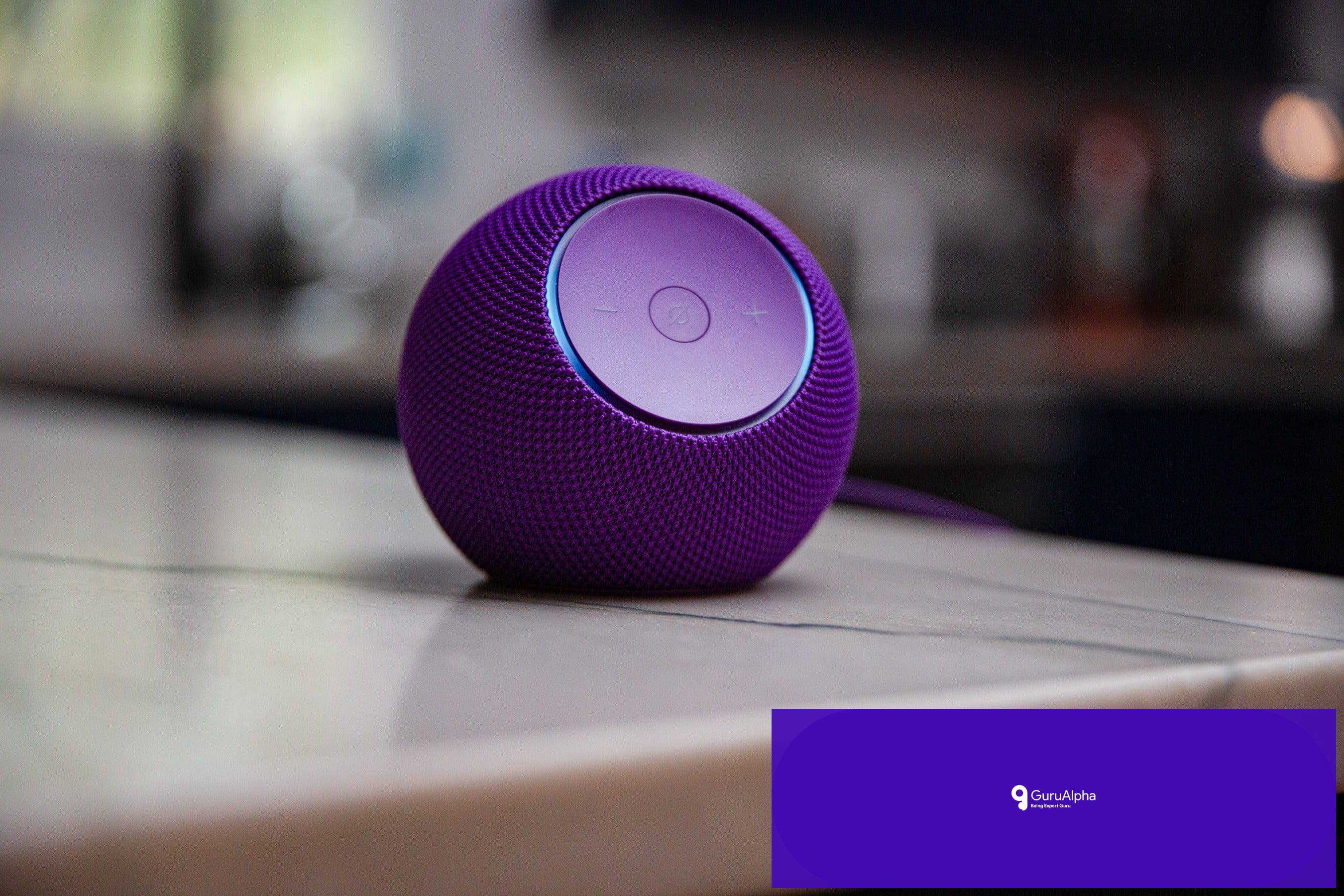
Amazon executed a sudden price revision across its hardware ecosystem on August 22, 2026, boosting retail prices on Echo smart speakers, Kindle e-readers, Fire TV streaming sticks, and Eero mesh networking gear by up to 60 percent overnight. The sharpest percentage increases land directly on the company's entry-level devices, ending a decade-long era of heavily subsidized gateway hardware.
Under the new pricing structure, the base Echo Dot smart speaker jumped from $49.99 to $79.99—a massive 60 percent surge. The higher-tier Echo Dot Max climbed from $99.99 to $119.99. Readers looking to purchase the entry-level Kindle e-reader now face a $149.99 price tag, up nearly 37 percent from its previous pricing. Meanwhile, media streaming setups face higher friction as the Fire TV Stick 4K Max rose over 40 percent to reach $84.99.
Soaring Silicon Costs Shatter the Loss-Leader Strategy
For over a decade, Amazon relied on a well-documented economic strategy: selling consumer hardware near cost—or occasionally at a loss—to funnel users into subscription ecosystems like Prime, Kindle Unlimited, and Amazon Music. Rising component prices have shattered that calculus. The core catalyst stems from skyrocketing expenses for fundamental semiconductor components, particularly DRAM and NAND flash memory units embedded across these smart devices.
Addressing the price adjustments, Kristy Schmidt, senior communications manager at Amazon's Devices & Services division, confirmed the rationale directly. "The consumer electronics industry is facing significant increases in memory and storage component costs," Schmidt stated, explaining that market pressures forced the company to recalibrate retail prices across multiple product tiers.
Memory manufacturers have shifted substantial production capacity toward enterprise-grade high-bandwidth memory (HBM) required for data centers and specialized artificial intelligence hardware. This pivot pinched the global supply of standard LPDDR memory and flash storage modules used in consumer electronics. Consequently, input costs for low-margin products escalated beyond what Amazon could absorb internally.
Entry-Level Gear Bears the Highest Inflationary Blow
Analysis of the price hikes demonstrates that entry-level products absorb the largest percentage increases. While premium hardware maintains profit margins capable of cushioning supply shocks, low-cost options rely on absolute razor-thin margins. When raw component costs rise by several dollars per unit, maintaining a $49.99 price point becomes economically unviable.
Detailed Breakdown of Notable Price Changes
- Echo Dot: Increased from $49.99 to $79.99 (60% increase)
- Fire TV Stick 4K Max: Increased to $84.99 (over 40% increase)
- Base Kindle: Increased to $149.99 (nearly 37% increase)
- Echo Dot Max: Increased from $99.99 to $119.99 (20% increase)
The pricing shifts extend into Eero mesh routers as well, signaling that networking hardware faces identical cost pressures. As component costs scale across all device tiers, buyers shopping for connected home gear must re-evaluate budget allocations.
Global Market Dynamics and Cross-Border Sourcing Impact
The immediate price recalibration ripples far beyond North American retail channels. Millions of consumers across the Gulf Cooperation Council (GCC) region, South Asia, and broader international markets rely heavily on cross-border logistics, freight forwarders, and secondary importers to source Amazon hardware. Because region-specific distribution channels frequently mirror US manufacturer suggested retail prices (MSRP), secondary market vendors are updating inventory pricing immediately.
Importers purchasing devices through regional hubs like Dubai or Riyadh face compounding costs. Beyond the primary price hike, secondary markets must factor in updated customs duties, transit surcharges, and local currency fluctuations. An entry-level Kindle that previously landed in overseas secondary markets around the equivalent of $60 to $70 will now exceed $160 after factoring in the $149.99 base price alongside international shipping fees.
Consumers seeking to build smart homes on modest budgets are turning to alternative hardware brands that rely on legacy component stocks or domestic supply chains. However, as memory suppliers adjust contract pricing globally, competing device makers face identical upstream cost increases, pointing toward broad hardware inflation across the consumer technology sector throughout 2026.
Frequently Asked Questions
Why did Amazon increase prices on Echo, Kindle, and Fire TV devices?
Amazon raised prices primarily due to significant cost surges in memory and storage components like DRAM and NAND flash chips. As semiconductor manufacturers pivoted capacity toward enterprise AI hardware, consumer-grade memory components faced severe price hikes globally.
Which Amazon product saw the largest percentage price increase?
The entry-level Echo Dot experienced the highest surge, jumping 60 percent overnight from $49.99 to $79.99. Other budget products like the Fire TV Stick 4K Max and base Kindle also rose by 40 percent and 37 percent, respectively.
How does this price increase affect international buyers and secondary importers?
International buyers rely on MSRP pricing established in primary markets like the US or UAE. Because local importers and freight-forwarders adjust their listings immediately, end consumers in secondary markets will pay higher base prices plus added shipping and customs charges.