
Technology
Apple Sets September 9 Keynote to Debut First Foldable iPhone and Pro Upgrades
Apple prepares to launch its inaugural foldable iPhone and flagship iPhone 18 Pro lineup at Steve Jobs Theater on September 9.
27 August 2026
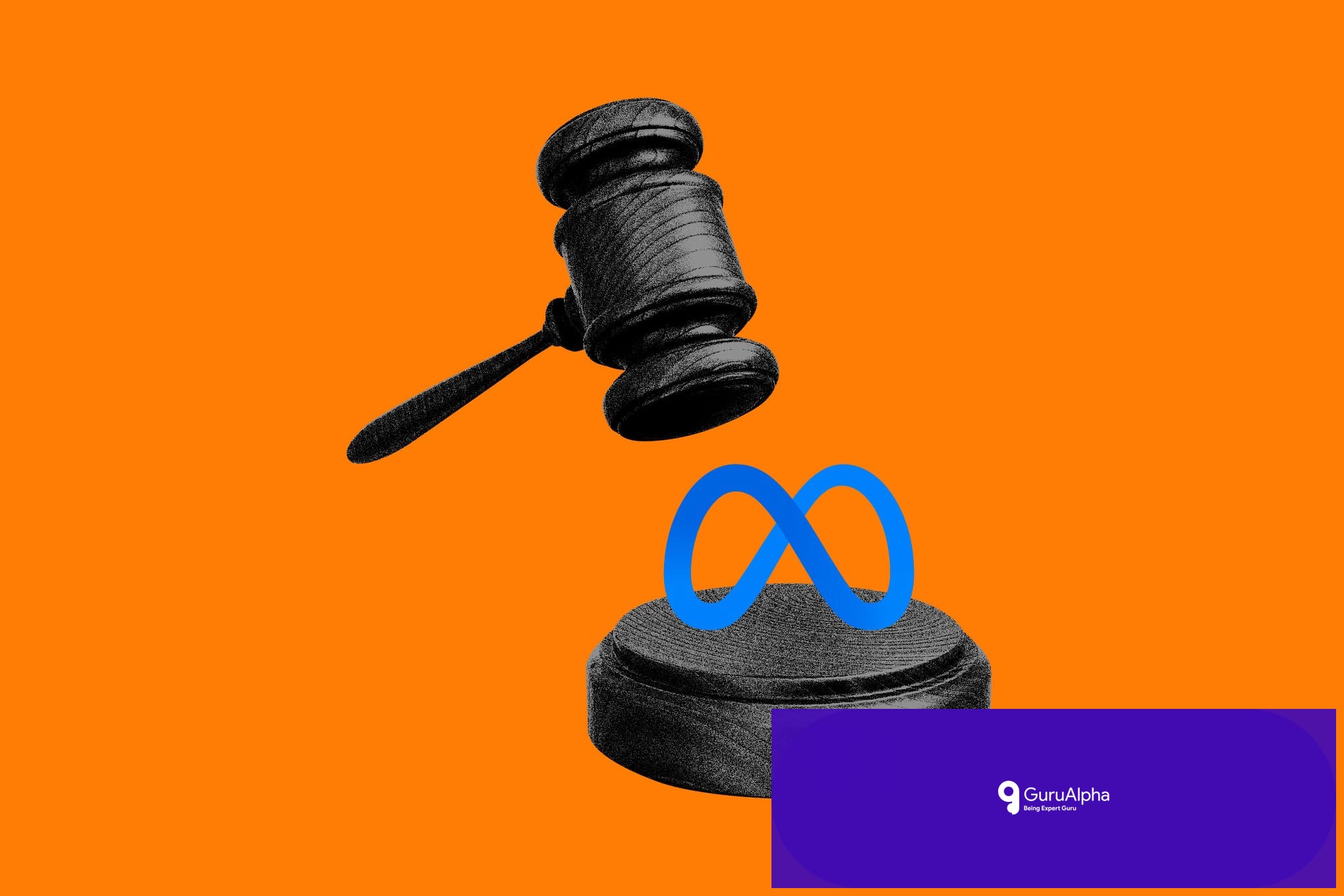
A historic settlement between Meta and 51 US state attorneys general forces mandatory teen safety overrides on Instagram and Facebook.
Meta has agreed to a landmark legal settlement with 51 US states and territories, forcing fundamental modifications to how teenagers use Instagram and Facebook. The accord mandates default privacy settings, strict overnight usage restrictions, and structural changes to algorithmic recommendations designed to curb platform addiction across tens of millions of young users globally.
The agreement marks an unprecedented legal victory for a coalition of state prosecutors led by California, New York, Illinois, and South Carolina. The coalition filed suit against Meta, Alphabet’s Google, ByteDance’s TikTok, and Snap, charging the tech giants with systematically designing platform architecture to hook adolescents on endless feedback loops. The state attorneys general argued that features such as infinite scrolling, push notification bursts, dynamic algorithmic recommendations, and quantified social validation metrics like likes and shares directly contributed to a surging mental health crisis among adolescents.
Under the binding settlement terms, Meta must dismantle several key engagement mechanics for users under eighteen. Primary among these changes is an automatic restriction on late-night notifications. By default, teen accounts will enter a quiet mode between 10:00 PM and 7:00 AM, silencing incoming alerts and sending automatic replies to direct messages indicating the user is offline. To prevent bypass techniques, minors will be unable to disable these overnight blocks without verified parental authorization.
Furthermore, Meta must enforce strict default privacy protections. Accounts created by users under eighteen will automatically reset to private, preventing unapproved adults from viewing teen posts, commenting on their media, or sending unsolicited direct messages. The platform must also restrict algorithmic recommendations of content related to extreme weight loss, self-harm, cosmetic procedures, and high-risk physical stunts.
While the legal settlement originated within US state jurisdictions, its operational implementation will inevitably reshape the social media landscape worldwide. Global tech platforms rarely maintain separate engineering pipelines for user safety features across different geographical markets due to the complexity of global code deployment. Just as European data protection mandates forced standardized global privacy controls, Meta's architectural overhaul for American teens sets a baseline operational blueprint across its global user base.
For young populations across South Asia and the Middle East, where adolescent smartphone adoption rates have surged over the past decade, these platform shifts alter daily digital interaction. In regions where formal digital literacy initiatives remain limited, built-in structural safeguards serve as a primary defense against digital manipulation and predatory grooming. The restriction of unsolicited direct messaging from non-followed adult accounts fundamentally alters how young users interact on Instagram, creating closed peer-to-peer networks rather than open broadcast profiles.
The economic ramifications for Meta are immediate. The youth demographic represents the lifeblood of engagement metrics, providing the training data that powers Meta's recommendation algorithms. By cutting off late-night interaction hours and limiting the continuous scroll mechanisms that drive ad impression density, Meta surrenders millions of potential ad placements daily. Yet, facing potentially billions of dollars in statutory fines and protracted public trials, the company opted to restructure its core product features for minors.
Central to the new regulatory framework is the amplification of parental oversight tools. Meta is required to provide parents with expanded dashboard capabilities, allowing guardians to monitor total screen time, track privacy settings adjustments, and set rigid daily usage thresholds directly from their own devices. Crucially, the system introduces a mandatory delay mechanism: when a teen attempts to override default safety settings, the system notifies the linked parental account, requiring explicit cryptographic or multi-factor verification before granting access changes.
The settlement also targets the hidden engines behind teenage feeds. Meta's product engineers must reconfigure recommendation pipelines to eliminate algorithmic feedback loops that repeatedly serve sensitive or body-focused content to young users who interact with a single relevant post. If an adolescent watches a video regarding diet tips, the platform is restricted from filling their subsequent feed with similar material—a practice prosecutors identified as a primary cause of rapid psychological distress.
This outcome puts intense legal pressure on the remaining co-defendants in the lawsuit. With Meta capitulating to state prosecutors, ByteDance, Google, and Snap face isolated legal vulnerability. State attorneys general have signaled that the safeguards accepted by Meta now constitute the minimum acceptable standard for child safety across the entire social media ecosystem.
Meta must enforce default private accounts for users under 18, implement an automatic notification blackout between 10:00 PM and 7:00 AM, restrict recommendations of harmful body-image content, and require verifiable parental consent to disable these safety settings.
A bipartisan coalition of 51 US states and territories, including California, New York, Illinois, and South Carolina, brought the lawsuit against Meta, Google, TikTok, and Snap over platform addiction and child safety failures.
Teens under eighteen cannot independently disable default quiet mode or privacy protections. Any attempt to modify these settings triggers a mandatory approval request sent directly to a linked parental account.
GuruAlpha News Desk
The GuruAlpha News team delivers accurate, timely coverage of breaking news, markets, technology, and lifestyle — in English and Urdu.
Apple prepares to launch its inaugural foldable iPhone and flagship iPhone 18 Pro lineup at Steve Jobs Theater on September 9.
27 August 2026
Silicon Valley giants force everyday consumers to decipher complex model architecture instead of building simple, human-centered artificial intelligence interfaces.
27 August 2026
Apple has officially launched sponsored search placements inside Apple Maps, placing paid business listings above organic navigation recommendations.
27 August 2026
AI firm Anthropic signed a $45 billion compute infrastructure pact with Nscale to power its next-generation Claude artificial intelligence models.
27 August 2026
The breakdown of Washington-Ottawa trade negotiations triggers severe market friction across North American supply chains and international energy markets.
27 August 2026
Yayoi Kusama, the legendary Japanese artist whose hypnotic polka dots and Infinity Mirror Rooms captivated millions worldwide, has died in Tokyo aged 97.
27 August 2026
Facing 59 criminal charges in the United Kingdom, influencer Andrew Tate remains locked in a high-stakes legal battle over extradition and bail.
27 August 2026
Veteran actor Naumaan Ijaz attributes his total cancer recovery to daily Quranic recitation and divine intervention, triggering dialogue on faith and resilience.
27 August 2026
GuruAlpha is a comprehensive digital platform offering live financial markets, free calculators, online tools, Islamic content, SIM packages, sports updates and celebrity profiles for Pakistan, Gulf countries and worldwide audiences.
Yes, GuruAlpha is completely free. All calculators, tools, market data, prayer times, Islamic resources and content are available without any subscription or sign-up.
Yes, GuruAlpha provides live market data including USD/PKR exchange rates, gold prices, cryptocurrency prices, stock market indices and commodity prices sourced from reliable financial data providers.
GuruAlpha offers over 1,200 calculators including Pakistan income tax, salary tax, PTA mobile tax, electricity bill, gold price, currency converter, Zakat calculator, property tax and many more.
Yes, GuruAlpha provides accurate prayer times for over 100 cities worldwide including Fajr, Dhuhr, Asr, Maghrib and Isha times. We also offer Qibla direction, Islamic calendar and Zakat calculator.